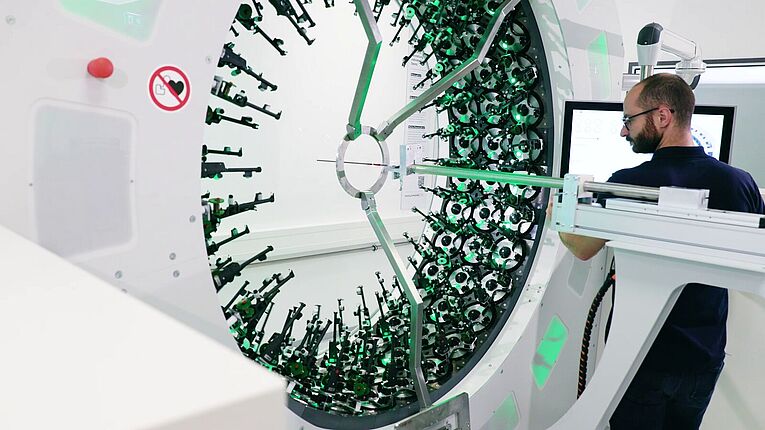
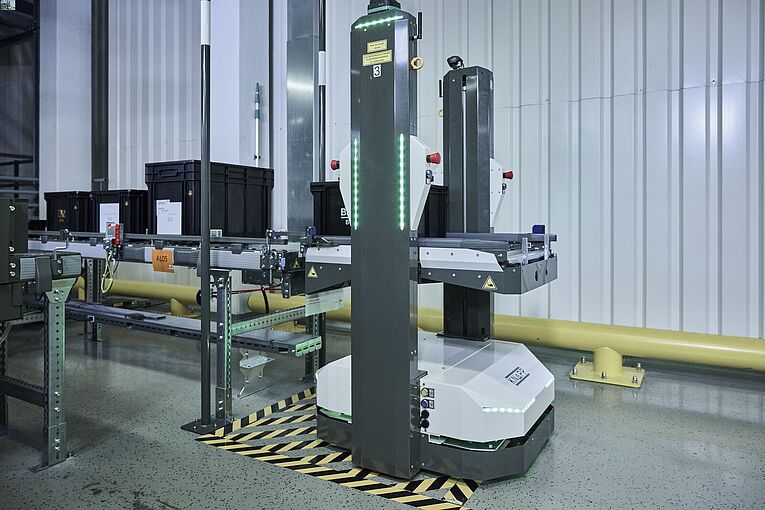
Adaptive Packaging – Intelligently Automating Packaging Processes

The consumer goods industry is undergoing profound change. Shorter product life cycles, growing product variety, and increasing sustainability requirements are forcing manufacturers and machine builders to rethink their approaches. Conventional packaging equipment is no longer able to meet these demands and is reaching its limits. What is needed are flexible automation concepts that can reconcile high productivity with ever smaller batch sizes. By intelligently combining control technology, mechatronics, and digitalization, manufacturers can successfully transition to adaptable packaging machinery.

The global market for consumer packaged goods (CPG) packaging continues to grow steadily. As a result, the market for packaging machinery has now surpassed US$55 billion. Food applications account for the largest share at 35%, followed by beverages at 28%, pharmaceuticals at 12%, and cosmetics and personal care products at 7%. While these industries have different requirements regarding hygiene, aseptic processing, or serialization, the underlying packaging challenges are remarkably similar.

Through adaptive automation, the packaging industry can respond faster and more efficiently to new packaging requirements.

At the same time, changing consumer behavior, the rise of omnichannel distribution, and e-commerce strategies are driving demand for greater customization. Instead of large production runs, consumer goods manufacturers increasingly face fluctuating order volumes, seasonal editions, and personalized products. This growing variety reduces efficiency on conventional machines, where every format change requires time-consuming mechanical changeovers and corresponding machine downtime. To remain competitive, manufacturers must achieve overall equipment effectiveness (OEE) levels of 80 to 90 percent while minimizing total cost of ownership (TCO).

Additional pressure comes from labor shortages, as qualified operators for increasingly complex production processes are becoming harder to find. At the same time, expensive production space demands more compact machines with a smaller footprint while maintaining throughput. Environmental and compliance requirements are also becoming more stringent. Packaging must be more sustainable, full traceability must be ensured, and machines must meet increasingly demanding Cyber-Security standards.

From Fixed Production Lines to Adaptive Systems

To overcome these challenges, packaging automation requires a fundamental shift in thinking. In traditional manufacturing environments, products had to conform to the limitations of machine mechanics. Modern adaptive packaging systems, such as those offered by ABB’s Machine Automation Division (B&R), reverse this principle. Here, the machine dynamically adapts to the requirements of the product and the application.

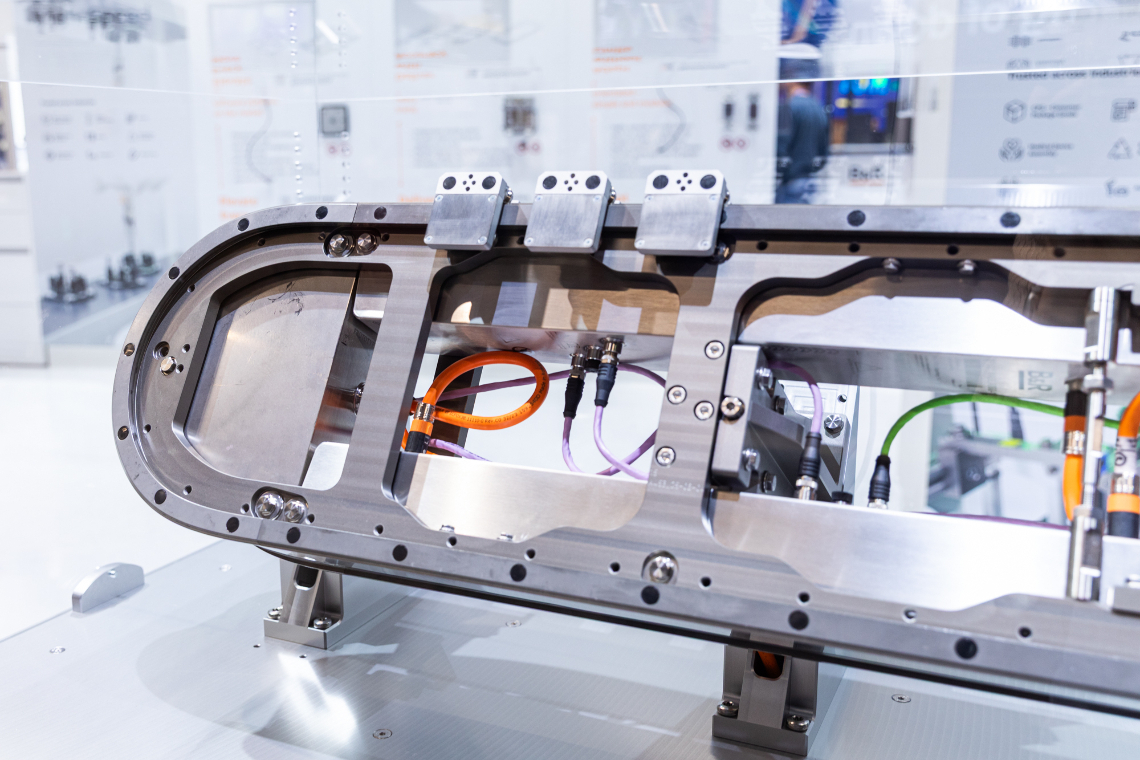
The technological foundation for this approach is a Mechatronic SystemsRather than connecting isolated systems for control, motion, safety, robotics, and material handling, the concept relies on a seamless software and engineering platform that eliminates interface losses and complexity. One key element is the decentralization of drive technology. By integrating power electronics directly into the motor, bulky control cabinets can be eliminated, significantly reducing machine footprint. Mechatronic transport systems take this concept even further. Products are carried on shuttles and propelled electromagnetically, enabling independent positioning and motion control throughout the process. This allows product flow to be individually controlled and synchronized. Format changes are performed entirely through software during operation, reducing both effort and downtime.

In addition, integrating drives, robotics, transport systems, and planar motor technology into a common control loop and synchronizing them at the microsecond level creates highly responsive production systems. Deviations are communicated instantaneously, enabling corrections or the removal of defective products at maximum speed.

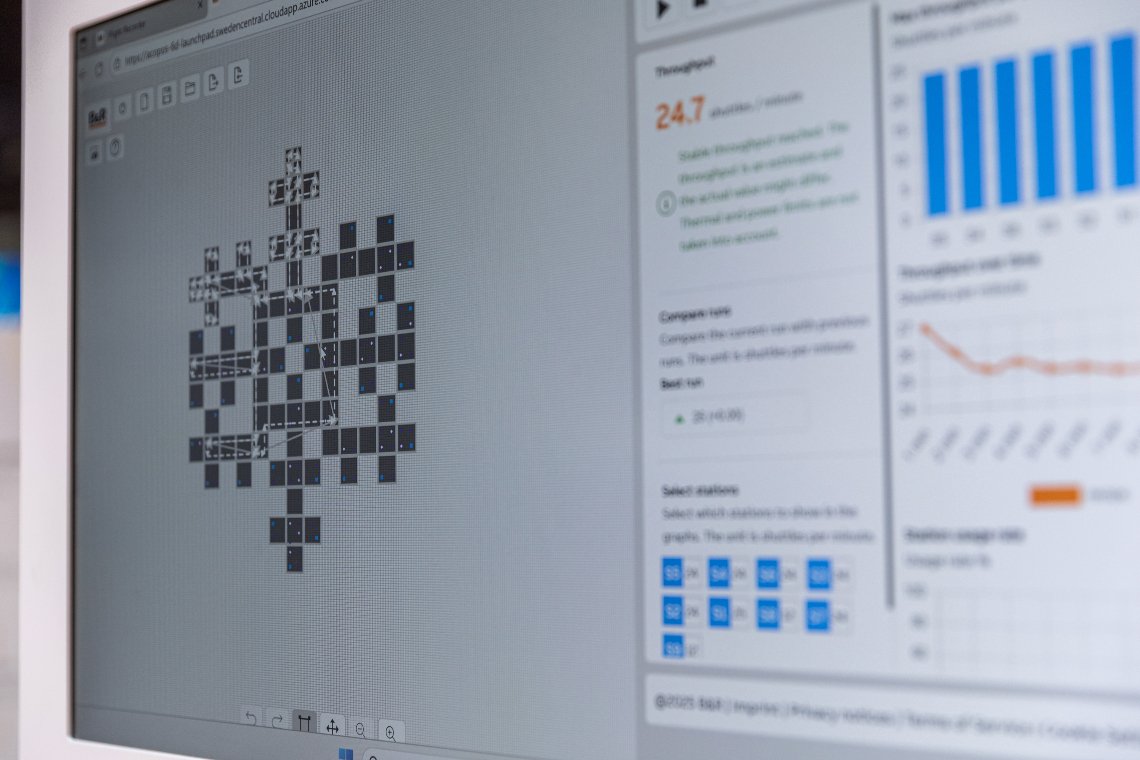
A common challenge in packaging automation is oversizing, where hardware resources are specified beyond actual requirements. To avoid this, the adaptive approach relies heavily on simulation and co-creation. Digital twins are used to test motion sequences virtually and size components precisely, reducing both energy consumption and development time.
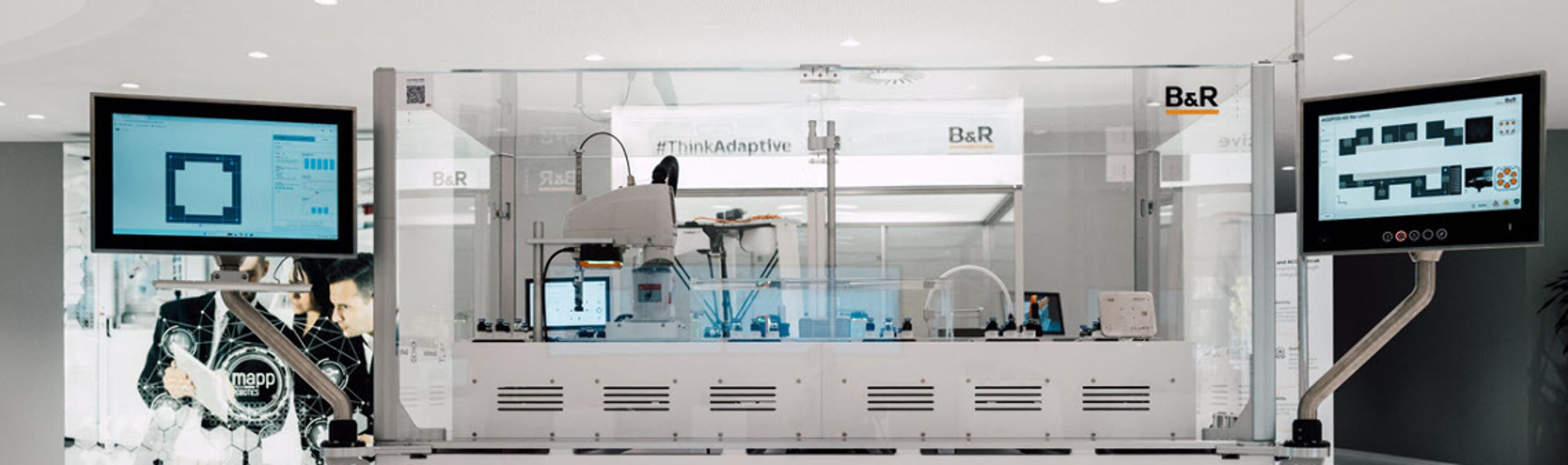
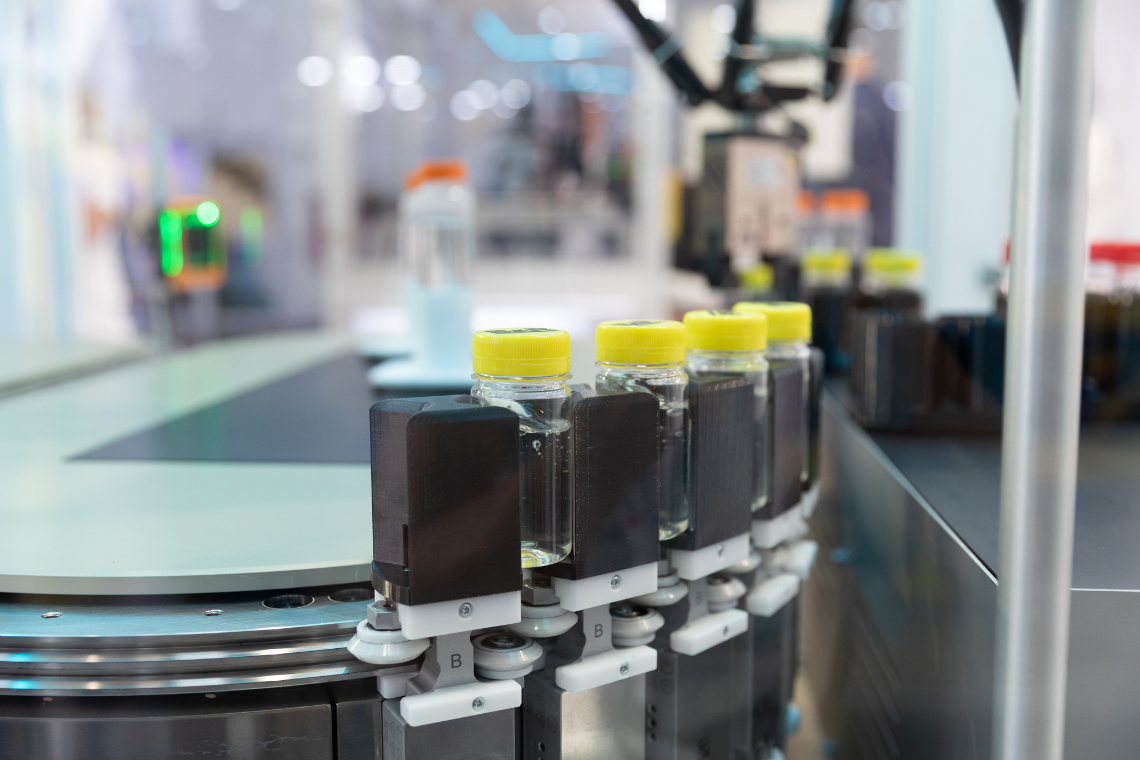
Packaging gets personal - CPG

Benefits for Machine Builders and End Users

The intelligent combination of mechatronics, integrated software, and modular hardware in automated packaging processes delivers clear competitive advantages for consumer goods manufacturers. Shuttle-based product transport replaces long, rigid conveyor systems, significantly reducing the machine footprint. In practice, machine lengths can be reduced by up to 70 percent while substantially increasing output within the same production area.

Companies also gain exceptional flexibility, including the ability to produce down to batch size one. Because shuttle motion profiles can be adjusted through software, different product sizes and packaging formats can be processed without production interruptions.

At the same time, overall equipment effectiveness increases while total cost of ownership decreases. Eliminating manual changeover stops allows equipment to be utilized more efficiently. Precise component sizing based on simulation data minimizes energy consumption and extends the service life of mechanical components. Integrated data acquisition further ensures that process parameters are fully documented. This level of transparency and audit readiness is essential in highly regulated industries such as pharmaceuticals, food, and beverage production, where compliance requirements must be consistently demonstrated.

The Road to the Autonomous Packaging Machine

Packaging automation is steadily evolving toward autonomous machines capable of managing material flow from raw materials to finished, palletized products with minimal human intervention.

Artificial intelligence (AI) plays a central role in this evolution. Modern control systems incorporate AI algorithms that continuously analyze vibration, temperature, and friction data during operation. For example, if friction conditions on conveyor systems change during the summer months, the system can automatically reconfigure control parameters without operator intervention.

Continuous monitoring also enables predictive maintenance. Potential wear and emerging issues can be identified and reported before they result in machine downtime, helping manufacturers maximize availability and productivity.

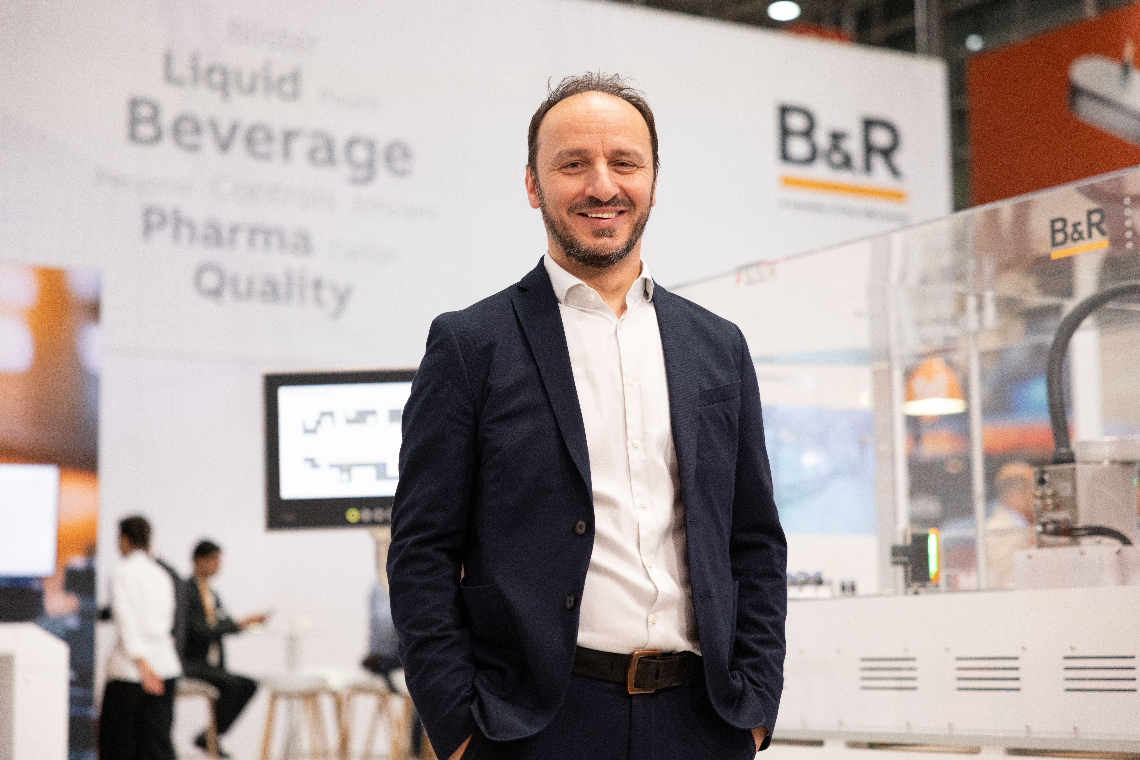
Lazaros Patsakas, Industry Segment Manager CPG & MDA, ABB Machine Automation Division (B&R)

Adaptive Packaging as the Future Standard

Manufacturers and operators of complex packaging lines in the consumer goods industry must intelligently automate their workflows to keep pace with future demands. One of the most promising approaches is adaptive packaging, which enables packaging machinery to dynamically adjust to the specific requirements of individual products and applications.

Lazaros Patsakas

Industry Segment Manager CPG & MDA bei der Machine Automation Division (B&R) von ABB


„Die Zukunft der Verpackung liegt nicht in immer komplexeren Maschinen, sondern in Maschinen, die sich flexibel an neue Anforderungen anpassen. Adaptive Automation gibt Herstellern die Freiheit, mehr Varianten effizient zu produzieren und gleichzeitig wettbewerbsfähig zu bleiben.“
Connect on LinkedIn

CPG


Si prega di scegliere il Paese e la lingua

B&R Logo