Safety isn't just about compliance but about smarter, more productive automation

Before we dive into Safety+, let's get to know both of you a little better. What brought you into the world of industrial safety, and how does your experience shape what you do today?

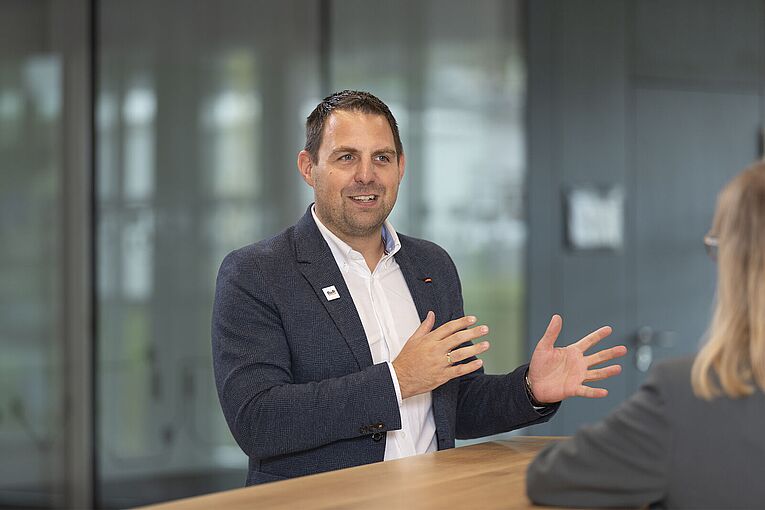
Franz Kaufleitner: I've spent the past two decades working in functional safety, seeing firsthand how essential it is for both protecting people and ensuring machines run as productively as possible. Safety engineering has traditionally been seen as a constraint, but I see it as an enabler. My focus is on making safety solutions more intuitive, more efficient, and more adaptable to modern automation needs. And importantly, users are not left alone when it comes to safety: Safety+ is designed to guide them through the workflow with built-in checks and validation support, so safety remains manageable even as machines and projects get more complex.

Stefan Schönegger: My background is in industrial automation, controls, and networking. Over the years, I've seen how innovation in standard machine control outpaced safety engineering. That's why Safety+ is so important – it closes that gap, making safety an integral part of modern automation instead of an afterthought. Safety should empower engineers, not limit them.

Safety engineering has been evolving for decades. Why is now the right time for a shift like Safety+?

Franz Kaufleitner: Machines are becoming more complex, production cycles are shorter, and the pressure on engineers is increasing. Yet, safety tools have lagged behind, often requiring separate workflows, limited programming options, and cumbersome validation steps. We saw an opportunity to rethink safety engineering with the same modern approach as standard automation – more open, more flexible, and better integrated.

Stefan Schönegger: Another big factor is adaptability. Manufacturing is moving toward smaller batches, customized production, and higher efficiency. But rigid safety implementations don't fit this new reality. With Safety+, we're giving engineers more freedom to build smarter safety functions that enhance – not hinder – machine performance. By making safety a natural extension of automation software, we create more opportunities for efficiency and productivity.

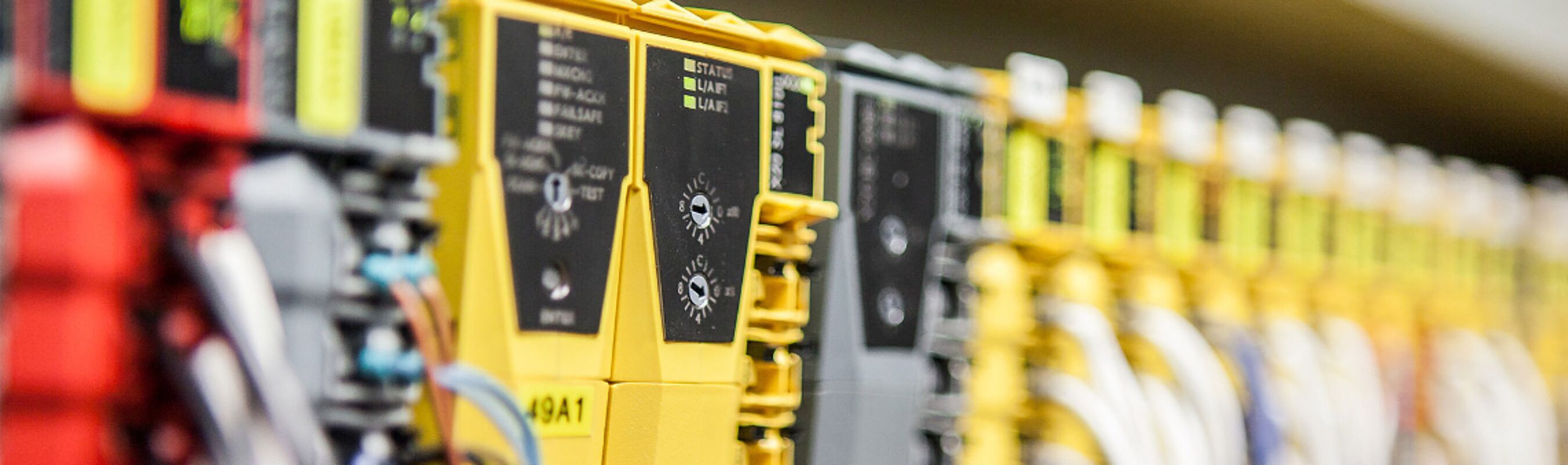
Safety+ from B&R lets machine manufacturers accelerate the development and market launch of their machines, giving them a decisive competitive advantage.

Engineers don't adopt new tools just because they're new. What makes Safety+ a real step forward?

Franz Kaufleitner: The biggest difference is that we've opened up safety engineering. Safety+ removes artificial restrictions that made safety programming slow and rigid. Now, engineers can use an open code base, integrate third-party tools, and take advantage of features like headless applications for CLI interaction. This makes safety programming as efficient as standard control programming, ensuring that machine builders don't have to compromise between safety and agility. At the same time, SafeDesigner+ adds its own independent safety layer which detects unintended code changes and helps prevent accidental modifications from slipping into a validated project – and of course, SafeDesigner+ is TÜV certified.

Stefan Schönegger: We also focused on improving machine productivity. Smart safety reactions allow machines to respond to events in a more targeted way, reducing unnecessary stops. For example, instead of shutting down an entire production line, Safety+ allows controlled deceleration – keeping machines running safely while avoiding waste and downtime. This is a direct benefit for manufacturers looking to optimize their output.

What are the key advantages for OEMs and end users?

Stefan Schönegger: For OEMs, it's about speed and efficiency – developing safety functions as quickly as other automation tasks. Open architecture enables faster iteration, easier collaboration, and more streamlined validation. For end users, it's about reducing downtime and maintenance costs. Automated safety updates and integrated diagnostics mean fewer interruptions and lower total cost of ownership.

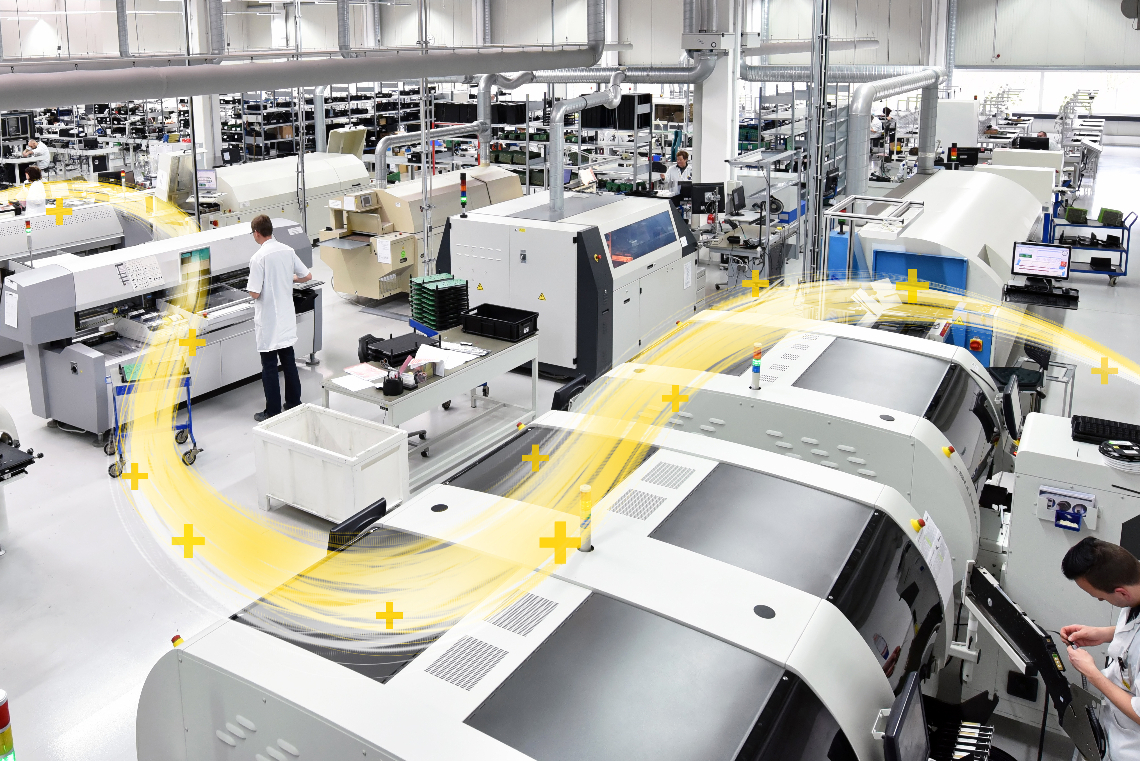
Franz Kaufleitner: There's also a space-saving benefit. Faster safety reactions mean machines can operate with smaller clearance zones, making it possible to design more compact production lines. That's a major advantage for manufacturers optimizing factory floor space. Additionally, with improved motion control integration, machine performance is not only safer but also smoother and more predictable, which is a key factor in high-speed production environments.

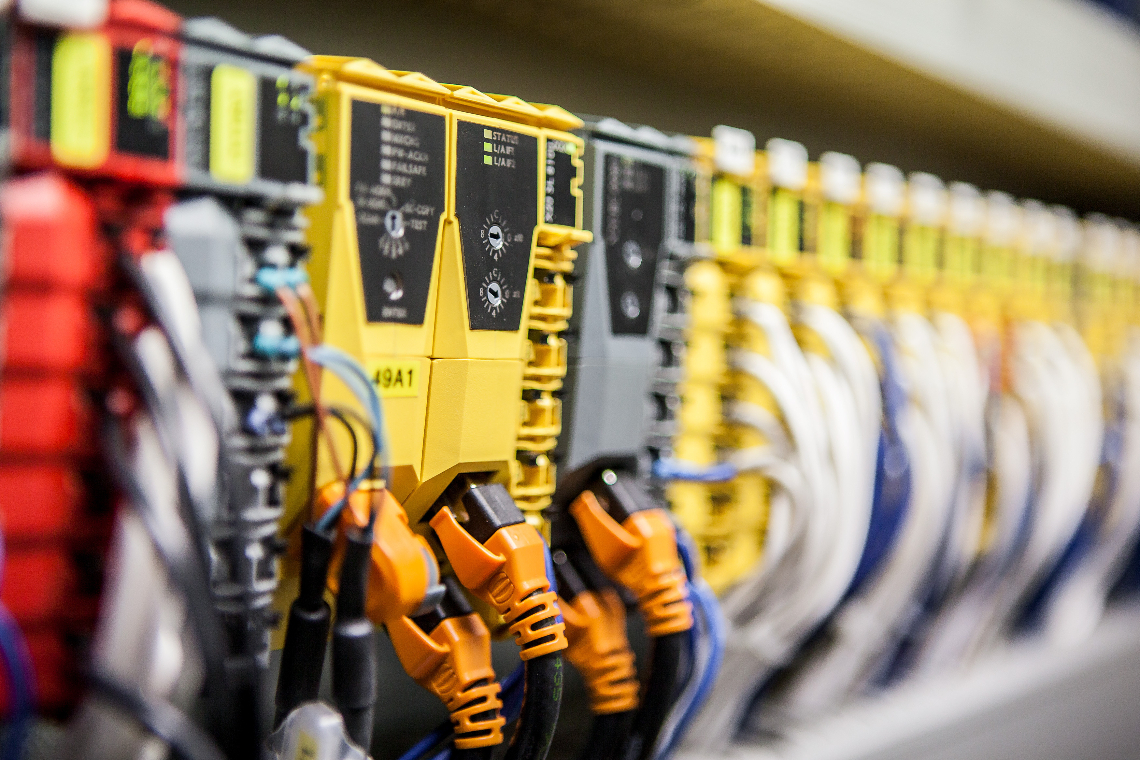
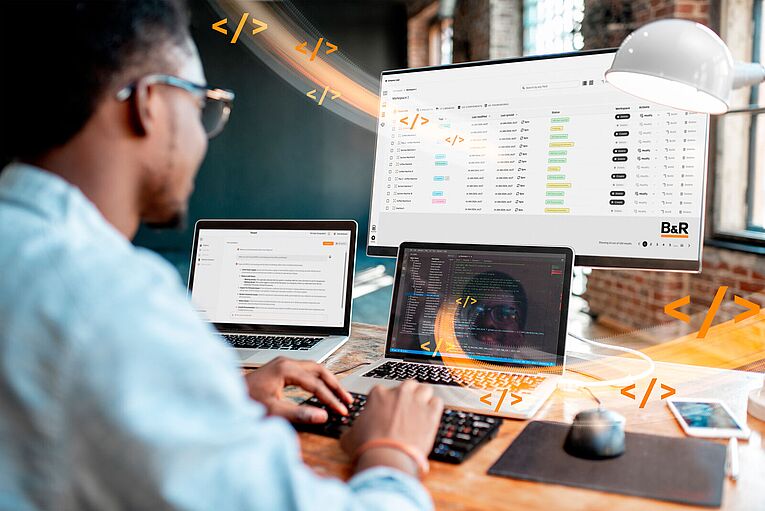
Safety+ offers state-of-the-art engineering functions that increase efficiency and simplify collaboration.

Five years from now, what role do you see Safety+ playing in industrial automation?

Stefan Schönegger: I think we'll see a shift where safety engineering is no longer seen as a separate discipline but fully embedded in automation workflows. The same efficiency gains we've seen in standard control engineering will apply to safety. More advanced diagnostics, predictive safety algorithms, and real-time analytics will further reduce risk while improving machine uptime.

Franz Kaufleitner: Safety+ is setting a new standard – one where safety isn't just about compliance but about smarter, more productive automation. Five years from now, I believe adaptive safety functions will be as common as adaptive machine control, allowing for more flexible and reconfigurable production environments without compromising worker safety.

Franz Kaufleitner

Global Product Manager Safety, B&R


Stefan Schoenegger

CTO ABB Machine Automation division (B&R)


Please choose country and language

B&R Logo