Turning waste heat into electricity: How Orcan Energy scales energy recovery with standardized automation

Industrial manufacturing, energy efficiency is often discussed in terms of reducing consumption. But another opportunity receives far less attention: making better use of energy that is already available. Across industries ranging from wood processing and food production to cement, metals and chemical manufacturing, large amounts of thermal energy are generated as part of daily operations. Much of this heat is required for the production process itself. Yet a considerable share remains unused because it cannot be economically recovered or reused elsewhere in the plant.

This challenge was familiar to the German parquet manufacturer HARO. Drying processes generate substantial quantities of thermal energy, particularly during continuous operation. While part of this heat can be utilized internally, surplus heat often accumulates during periods of lower demand, especially in the warmer months. At the same time, rising energy prices and increasing pressure to improve sustainability performance have made the efficient use of existing resources a growing priority.

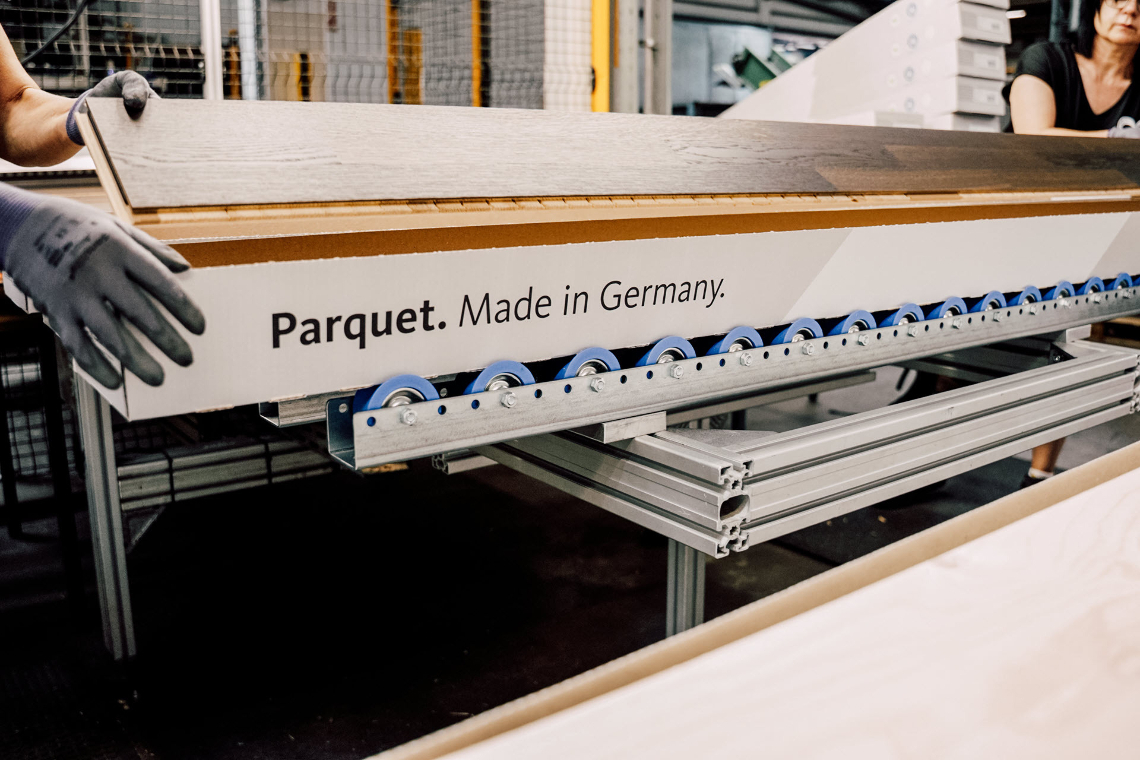
HARO is Germany's leading parquet manufacturer, established in 1950 by Hamberger Flooring GmbH & Co. KG.

“In our production, heat is an essential resource, but depending on operating conditions and the season, we cannot always use all of it internally. We were looking for a solution that would allow us to make better use of the energy already available in our process, without adding complexity to day-to-day operations,” says Michael Paringer, Technical Managing Director at HARO.

Rather than treating excess heat as an unavoidable by-product, HARO decided to explore whether it could be converted into an additional energy source.

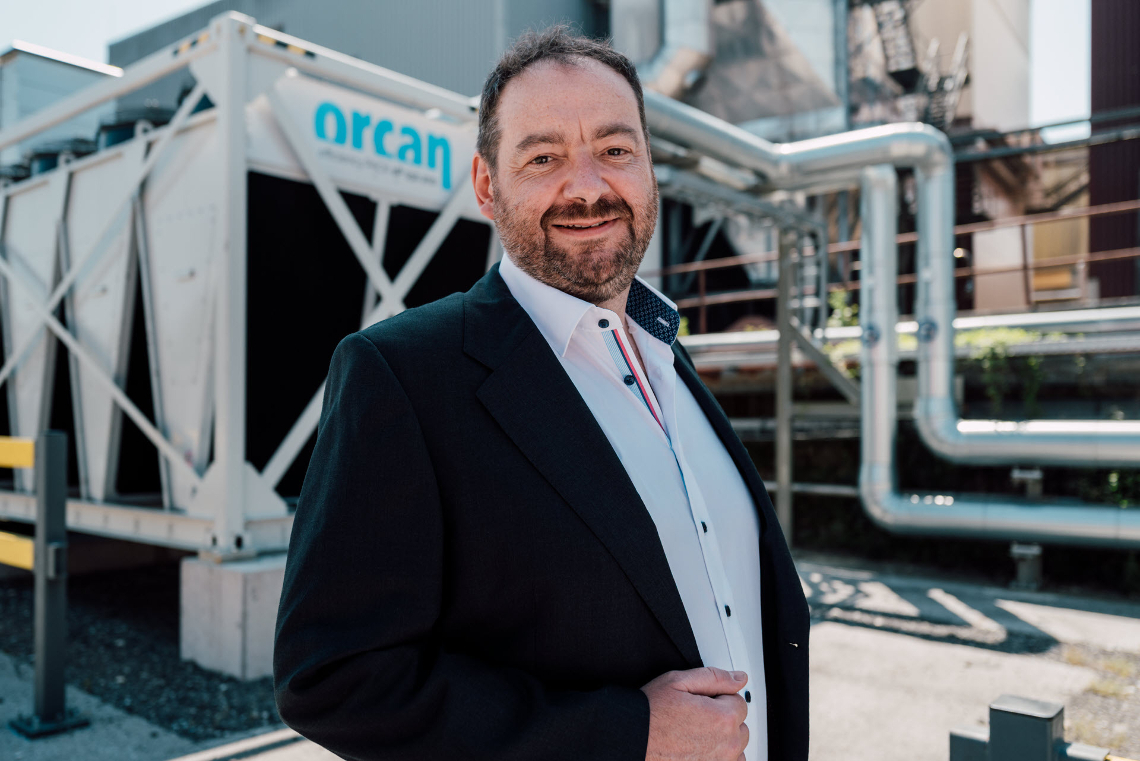
Michael Paringer, Technical Managing Director at HARO.

From waste heat to baseload electricity

The answer came from Munich-based clean-tech company Orcan Energy and its efficiency PACK system. The technology is based on the Organic Rankine Cycle (ORC), a process that converts low-temperature heat into electrical energy. Unlike conventional steam-based power generation, ORC systems can operate efficiently using heat sources that would otherwise be too cool for economical energy recovery.

The efficiency PACK captures excess process heat and uses it to generate electricity directly at the production site. As the system operates independently from the manufacturing process itself, it can be integrated into existing facilities without interfering with production operations. For plant operators, this changes the economics of waste heat recovery. Instead of simply dissipating thermal energy into the environment, the recovered energy contributes directly to the site's power supply.

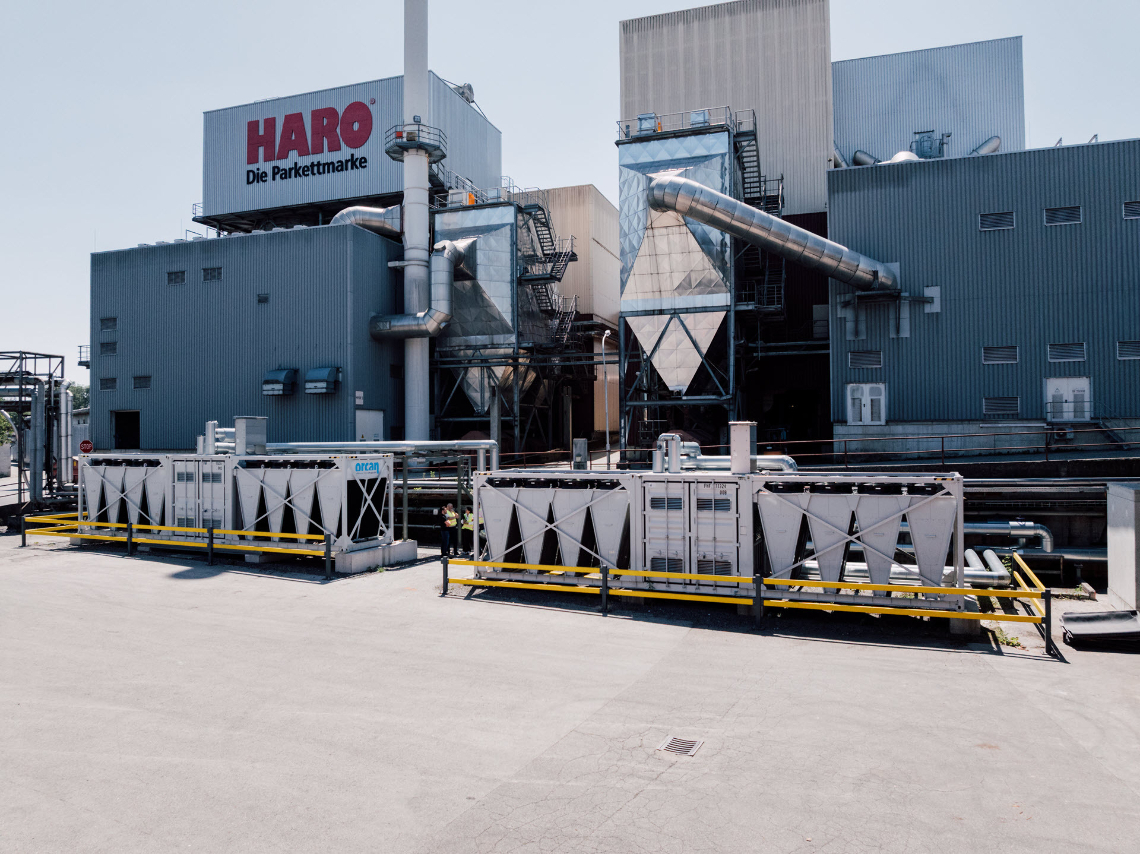
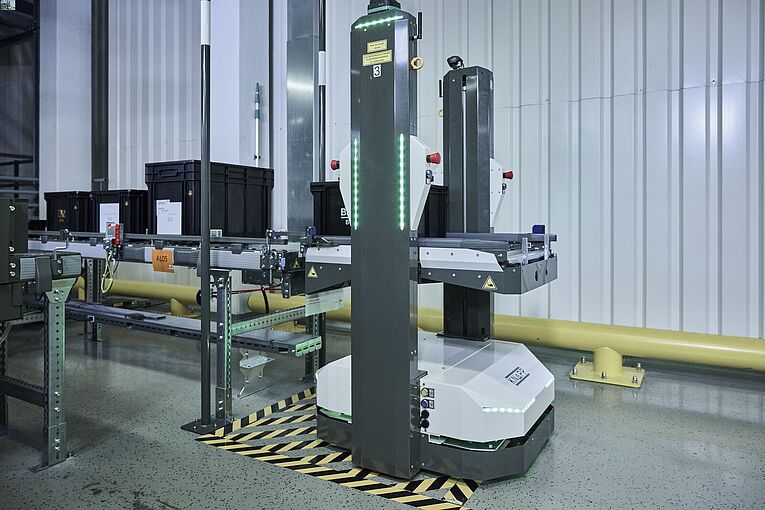
Orcan Energy’s efficiency PACK system installed at HARO.

At HARO, the installation quickly became part of normal plant operation. According to the project team, performance and reliability were convincing enough that a second unit was ordered shortly after the first installation.

Standardization despite individual requirements

While the principle behind waste heat recovery is straightforward, implementing it at scale is considerably more challenging.

No two industrial sites are identical. Available temperature levels, heat sources, operating conditions and customer requirements vary significantly from project to project. For technology providers, this means every installation requires a degree of customization. At the same time, engineering costs, commissioning effort and software complexity must remain under control.

This is where the automation platform becomes critical.

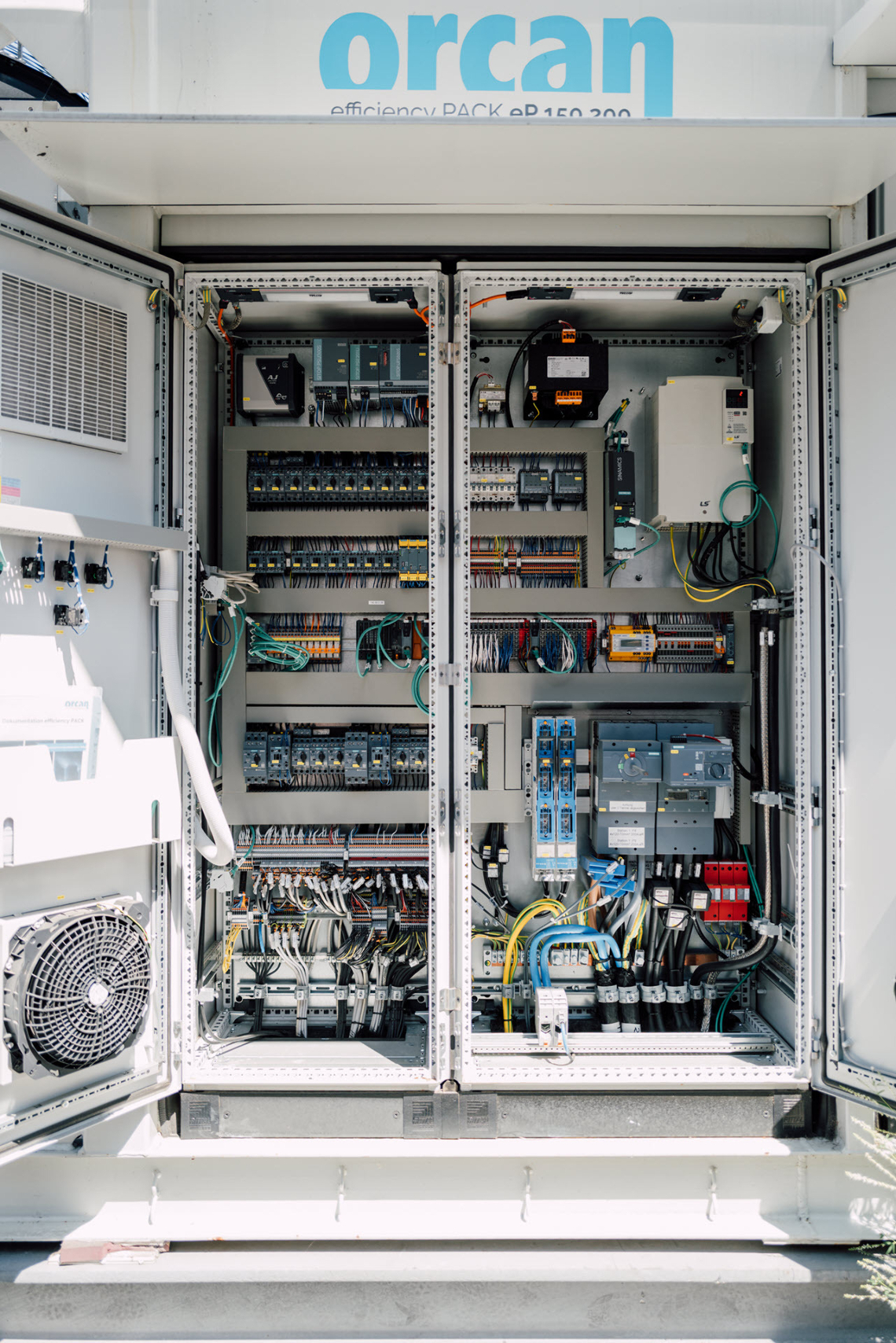
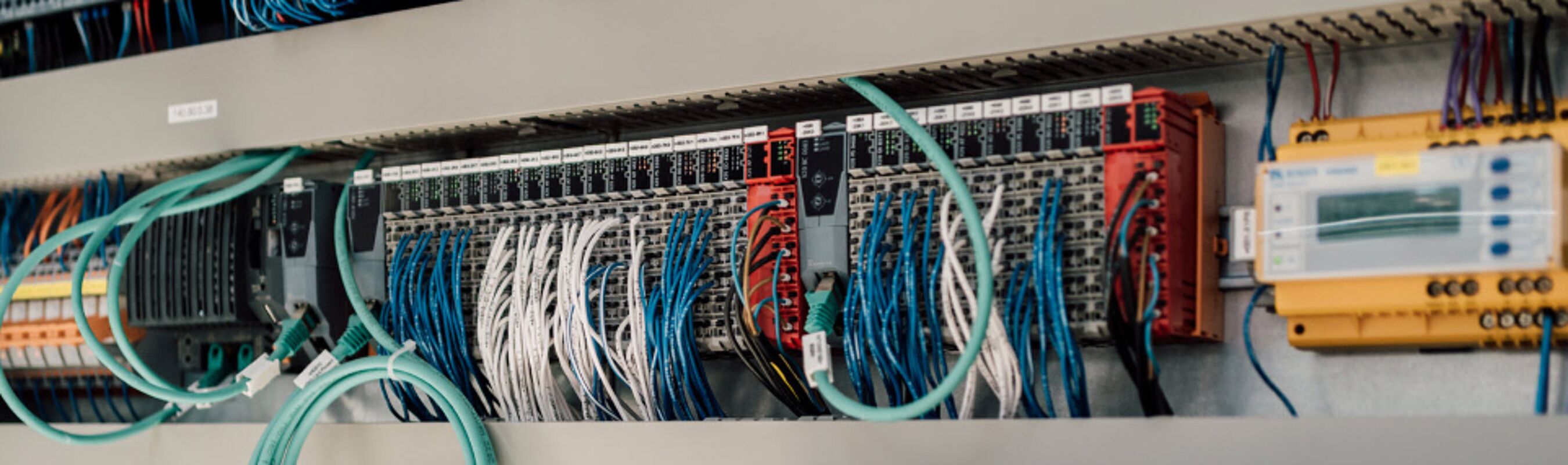
Orcan Energy relies on B&R's X20 control platform as the standard automation architecture for its efficiency PACK portfolio. X20 PLCs and I/O modules handle machine control, enabling process monitoring and communication functions across different system variants.

The efficiency PACK captures excess process heat and uses it to generate electricity directly at the production site.

For Orcan, the key benefit is not simply hardware performance. More important is the ability to manage multiple machine configurations within a common software framework. Instead of maintaining separate automation projects for each customer, Orcan can build on a reusable software architecture that supports different power classes and plant designs. Functions developed for one project can be transferred to others, reducing duplication and simplifying future development. According to Orcan, this approach accelerates engineering and commissioning while helping maintain software quality across the installed base.

For Orcan, the key benefit is not only hardware performance but also the ability to manage multiple machine configurations within a common software framework.

The result is a platform that combines flexibility for customer-specific requirements with the efficiency of standardization.

“For us, the key factor was reliability. Once the system was commissioned, it became part of normal plant operation. The fact that we ordered a second unit shortly after the first installation is probably the clearest indication of how satisfied we are with the results,” says Paringer.

Engineering for long product lifecycles

Waste heat recovery systems are typically expected to operate continuously for many years. As a result, long-term reliability is often as important as efficiency. This consideration played a major role in Orcan's automation strategy. The company has collaborated with B&R since 2011, initially using Power Panel technology before standardizing on X20 controllers and I/O throughout its product portfolio.

“Our systems are deployed in very different industrial environments, but we don't want to reinvent the automation architecture for every project,” says Alexander Bischoff, Software Engineer at Orcan Energy. “The X20 platform gives us the flexibility to support different machine configurations within a common software framework. That helps us reduce engineering effort while maintaining consistent quality across projects.”

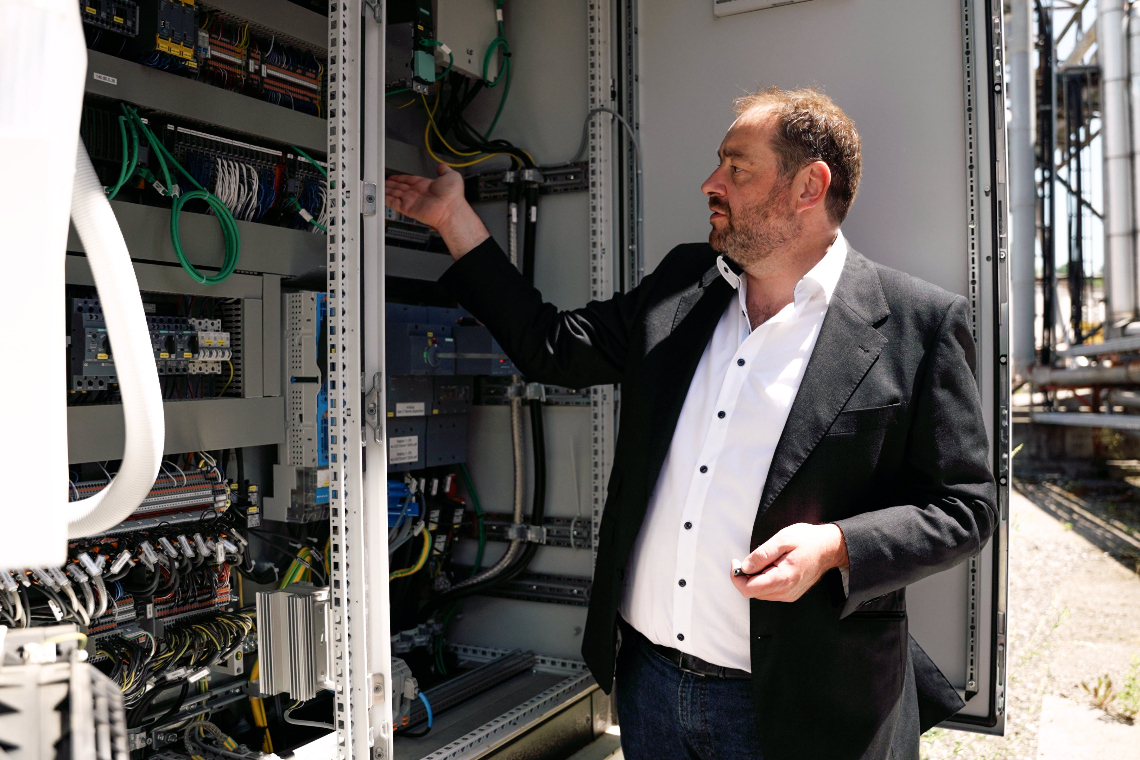
Alexander Bischoff, Software Engineer at Orcan Energy.

According to Orcan, factors such as software reusability, flexibility and long-term platform availability were key reasons for selecting the system. Support, documentation and integration into modern software development workflows also contributed to the partnership. The ability to integrate software version management processes, including Git-based development structures, has become increasingly important as products have grown in complexity.

For manufacturers developing industrial equipment, such continuity provides a significant advantage. Rather than redesigning automation concepts whenever product requirements evolve, engineering teams can build on an established technology foundation.

The role of automation in industrial decarbonization

As industries look for practical ways to improve energy efficiency, waste heat recovery is attracting increasing interest. In many facilities, the energy required to generate process heat has already been purchased, transported and utilized. Capturing a portion of that energy before it leaves the plant as waste can therefore improve both sustainability performance and operational economics.

However, making these systems commercially viable requires more than thermodynamic expertise. It also requires automation platforms that can accommodate changing requirements, support multiple system variants and operate reliably over long lifecycles.

For companies such as Orcan Energy, the challenge is not simply recovering heat. It is delivering a repeatable solution that can be deployed efficiently across a broad range of industrial applications. The project at HARO demonstrates what that can look like in practice. Excess process heat that previously had limited use is now converted into electricity, helping improve overall energy utilization. Behind the scenes, a standardized automation architecture allows the technology to be adapted to different environments while keeping engineering effort manageable.

As manufacturers continue searching for ways to reduce energy waste, solutions like these illustrate how process expertise and automation can work together to unlock efficiencies that already exist within the plant.
Vælg venligst land og sprog

B&R Logo